100% Satisfaction Rate! Beijing Community Health Centers Embrace the Chinese Chip
August 19, 2025
Recently, nearly 100 medical terminal devices powered by Phytium CPUs have been operating stably for over four months at the Xueyuanlu Community Health Service Center in Haidian District, Beijing, earning widespread recognition from medical staff and local residents. Coinciding with the arrival of August 19, China's Physicians' Day, this transformation driven by domestic computing power serves as the most thoughtful and practical gift for community doctors.
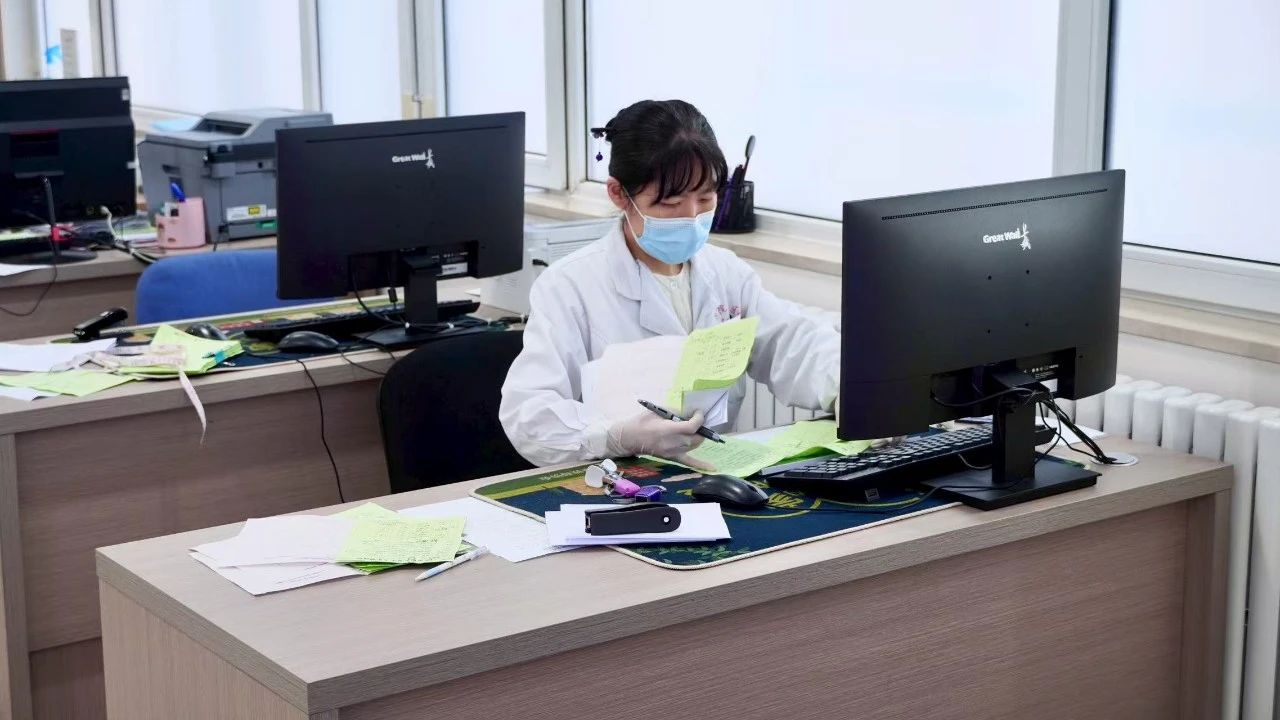
With a simple tap by doctors, electronic health records, historical treatment data, medication information, and allergy histories instantly respond and display clearly, enabling seamless transfer of lab results. Leveraging the powerful computing power of Phytium chips, doctors can make faster and more accurate diagnoses.
Bridging the last mile of healthcare services is key to resolving the public's long-standing challenge of accessing medical care. As grassroots healthcare institutions, community health service centers play the role of guardians of residents' health, often serving as the first point of contact for many residents seeking medical treatment. These centers are thus affectionately referred to as community hospitals.
How to quickly and securely establish patient health records, retrieve medical histories, and access test results poses significant challenges for medical terminal systems. Any lag or delay in device performance could reduce doctors' efficiency and severely impact residents' healthcare experiences. The Xueyuanlu Community Health Service Center has deployed nearly 100 terminal devices, all rigorously selected and equipped with desktop computers powered by Phytium Tengrui D2000 and D3000.
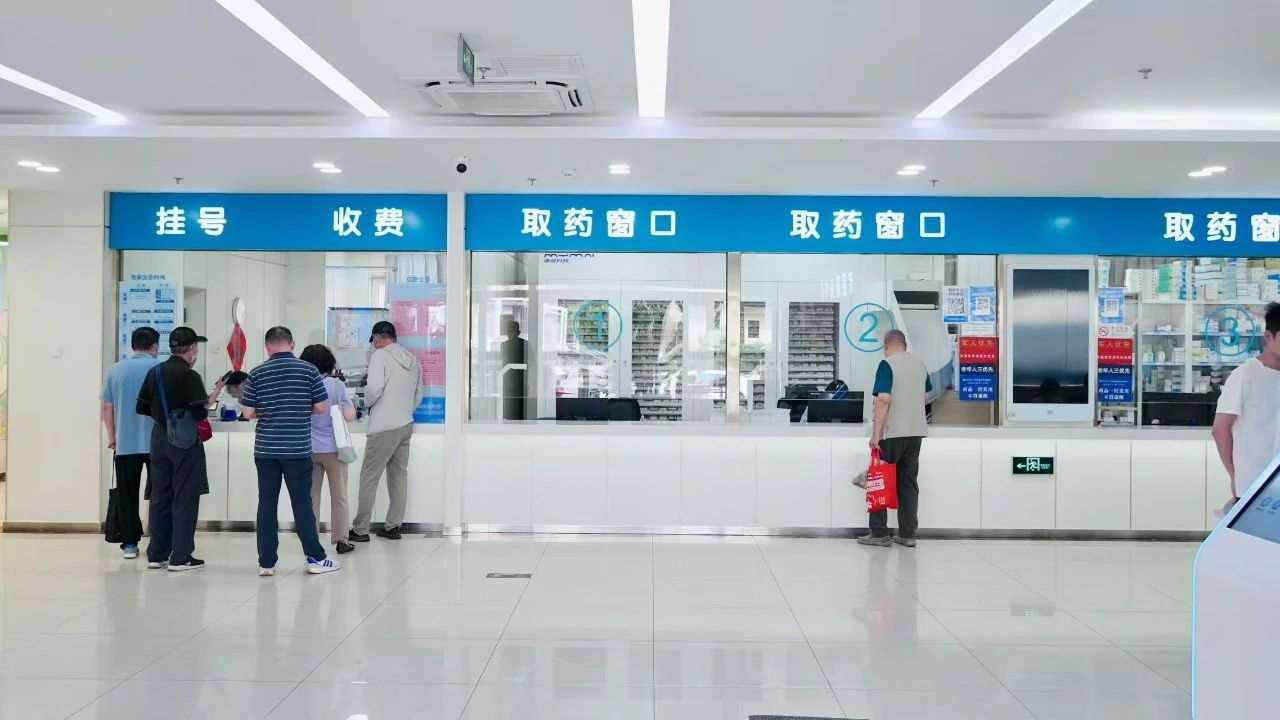
The Phytium Tengrui D2000 is the best-selling domestically-produced desktop CPU in China, with cumulative shipments exceeding 5.5 million units. The Phytium Tengrui D3000 is currently the most powerful ARM-architecture desktop CPU in China, with a maximum clock speed of up to 2.5GHz and cumulative orders surpassing 1 million units. Additionally, the Phytium platform demonstrates robust ecosystem compatibility, fully supporting mainstream medical software applications and peripheral devices (e.g., printers, card readers), achieving a seamless transition that significantly lowers upgrade barriers and costs for grassroots hospitals.
Currently, multiple critical systems at the Xueyuanlu Community Health Service Center—including the Beijing Basic Medical Service System, voice-based patient calling system, medical insurance components, and maternal and child healthcare system—have been successfully deployed on terminals powered by Phytium CPUs, achieving genuine substitution and practical use of domestic terminal equipment in grassroots healthcare. Over the past four months, Phytium processors have proven their powerful performance, stable operation, and broad compatibility across diverse medical scenarios, earning widespread acclaim.
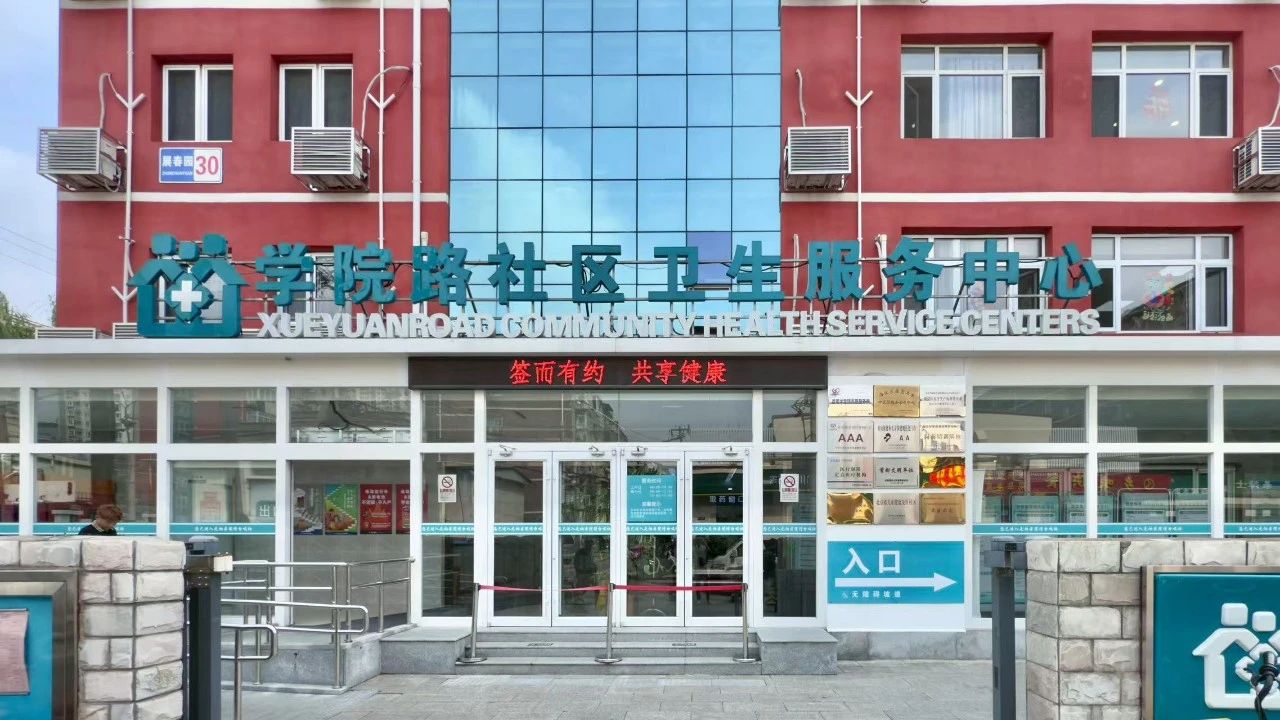
The Xueyuanlu Community Health Service Center, classified as a Class A facility, houses departments including preventive medicine, general practice, traditional Chinese medicine, rehabilitation, clinical laboratories, medical imaging, and dentistry. It also oversees six community health service stations: Zhixin Village, Military Retirement, Dongwangzhuang, Lin Da North Road, Furun Home, and Shuangquan Jiayuan. The center serves a permanent resident population of nearly 70,000, with seniors aged 65 and above accounting for nearly 20%.
As a crucial testing ground for national healthcare reforms, Beijing is poised to see Phytium-powered medical terminals deployed in more community hospitals across the city and the country. This will help community health centers become trusted healthcare partners for more citizens.
As a national leader in CPU R&D, Phytium is committed to providing secure and efficient computing infrastructure for China's healthcare industry, accelerating the digital transformation of hospitals and regional medical systems, as well as enabling new applications in medical technologies. Phytium has deepened collaborations with major domestic medical IT vendors, driving full-stack ecosystem adaptations and optimizations for medical software, databases, and operating systems. To date, Phytium has completed compatibility work with over 920 medical software applications, with successful deployments in scenarios such as the National Health Commission systems, smart healthcare clouds, county-level medical consortia, and hospital core systems.