Fortifying the Digital Foundation for Smart Civil Aviation: Phytium Chips Safeguard the Spring Festival Travel Rush
February 05, 2026
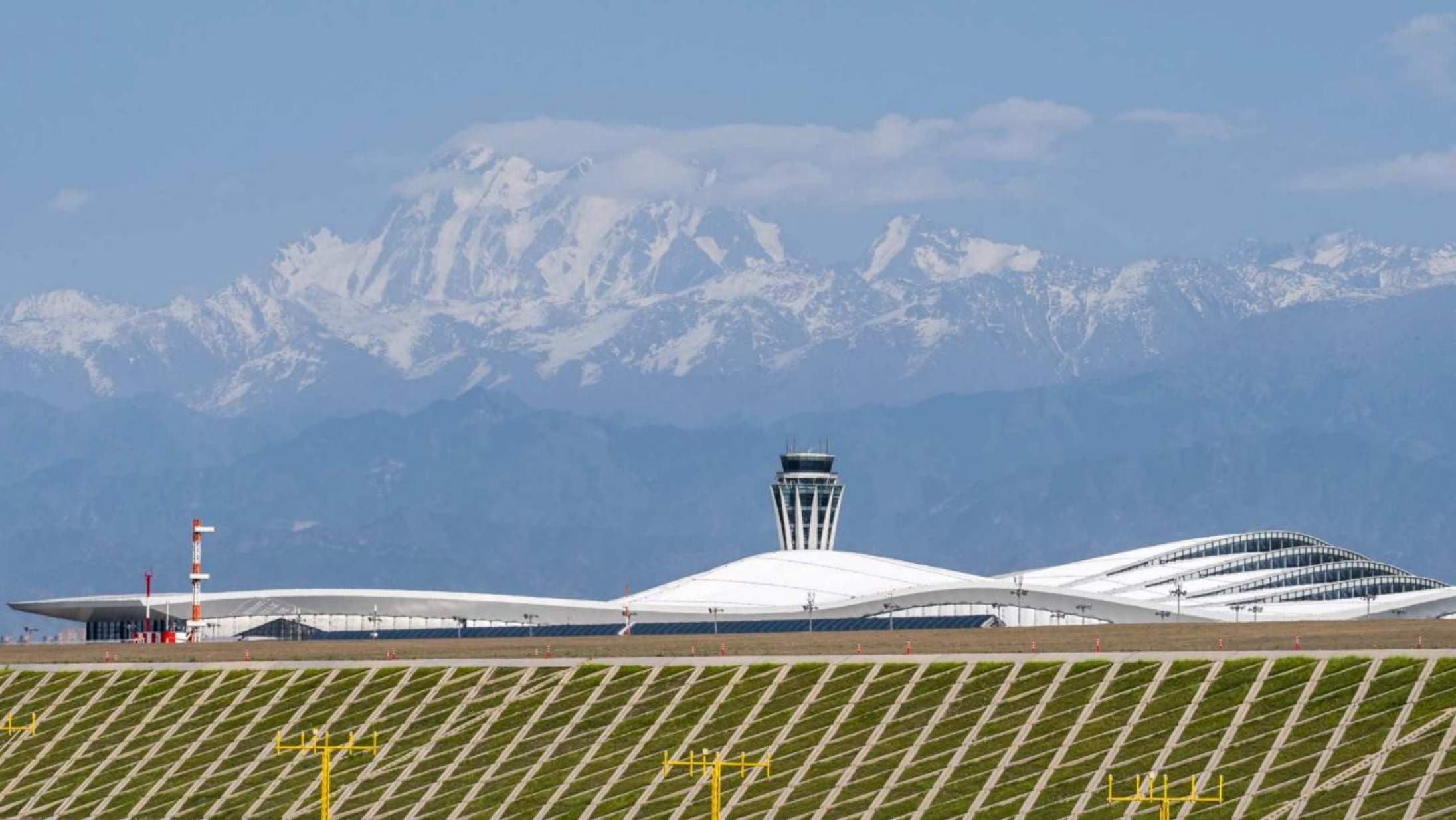
On February 3, 2026 — the second day of the 2026 Spring Festival travel rush — a transformation vital to the future core competitiveness of China’s civil aviation industry quietly took place in Urumqi, Xinjiang, known as the “Capital of the Asian Heart”.Outside the terminal, aircraft took off and landed in orderly succession; inside, crowds moved smoothly. Behind the seamless self-check-in and counter services for passengers lay a historic “heart transplant” for China’s core civil aviation departure system.
On the same day, “New-Quality Journey, Splendid Silk Road — Launch Event for the Full-Process, Full-Stack IT Innovation Solutions for Art Departure, Security Inspection and Cargo Systems” was grandly held at Urumqi Tianshan International Airport. Jointly developed by TravelSky Information Group Limited (TravelSky), together with China Electronics Corporation (CEC) and its subsidiaries including Phytium, Kylin Software and China Greatwall, this solution was put into operation for the first time at a large international hub airport with an annual passenger throughput of over 10 million.It marks a crucial step for China’s civil aviation sector from following to leading in key technologies, and illuminated the path of independent security for China’s civil aviation during the Spring Festival “major test”.
The Independent Innovation of Civil Aviation Departure System Overcomes Major Challenges
Known as the “nerve center” of airport operations, the civil aviation departure system covers check-in, boarding, control, load balancing and other key links. Its stability directly affects passenger experience and flight operation safety.For a long time, core underlying technologies in this field mainly relied on foreign products, bringing severe risks such as potential supply chain disruptions.
Previously, this innovation-driven solution was successfully verified at Huizhou Airport (annual throughput of 3 million passengers) and supported record-high civil aviation travel during the National Day and Mid-Autumn Festival holidays.However, as an international hub handling more than 30 million passengers annually, Urumqi Tianshan International Airport processes dozens of times more daily traffic and data volume than small and medium-sized airports, with extremely complex transfer services. The leap from 3 million to 30 million is not merely a quantitative change, but a formidable traffic barrier for domestic technologies.
To meet this challenge, as the core computing power provider,Phytium delivered a full-stack computing portfolio based on the Phytium Tengyun S5000C server CPU and Phytium Tengrui D-series desktop CPU.
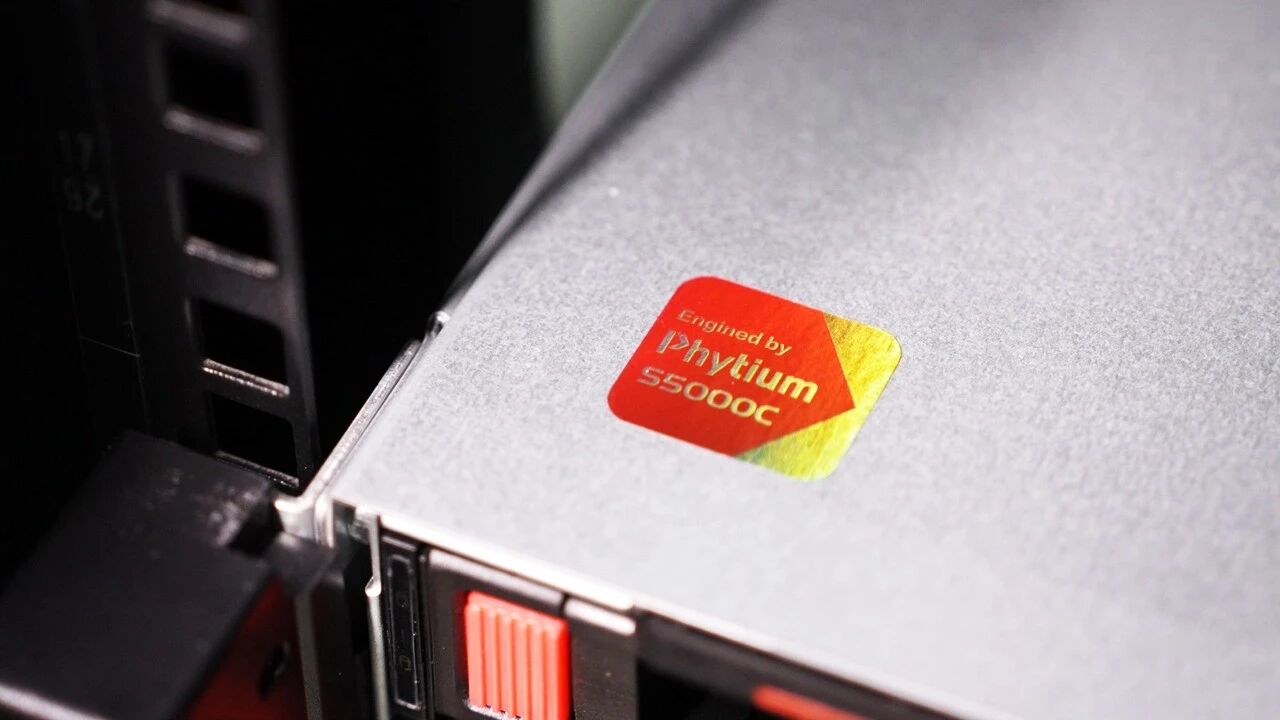
In the back-end server cluster, high-performance servers powered by the S5000C formed a robust data processing center.On the front-end service terminals, China Greatwall desktop devices equipped with Phytium Tengrui D-series CPU fully covered core counters including manual check-in, security verification, baggage inspection and boarding.Stable adaptation and connection were achieved with peripherals such as boarding pass printers, baggage tag printers, multi-document readers, barcode scanners, face-and-ID verification devices and IC card readers.

Supported by Phytium’s self-developed PSPA 2.0 security architecture, the solution built a full-stack, built-in security system from the chip hardware layer to the operating system and application layers, erecting an impregnable “Digital Great Wall” for core civil aviation data.
United Tackling of Key Technologies
Chinese “Chips” Safeguard the Spring Festival Rush
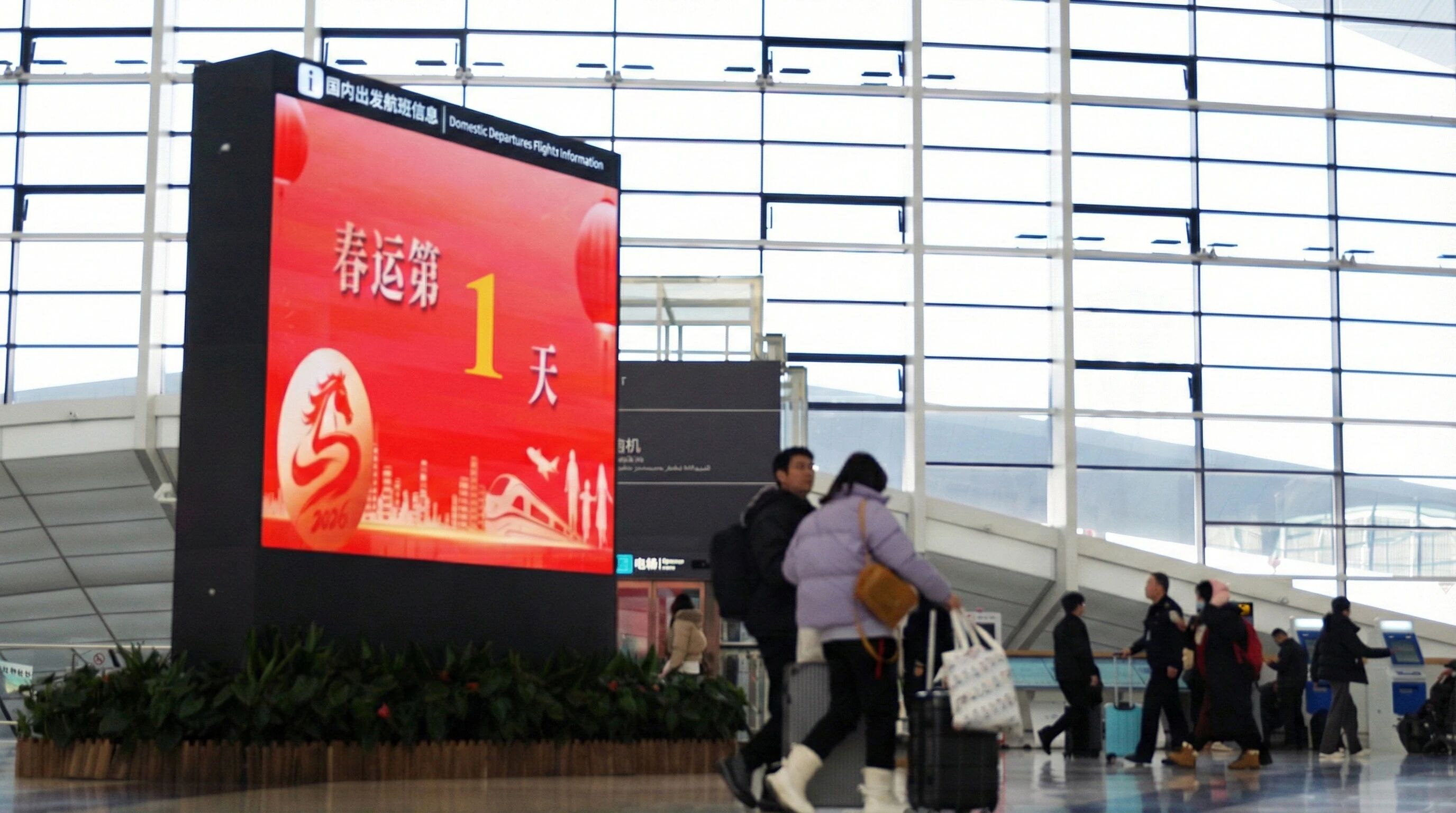
It is estimated that during the 2026 Spring Festival travel rush, Urumqi Tianshan International Airport will handle approximately 3.2 million passengers and 23,000 aircraft takeoffs and landings, bringing enormous pressure for system switching.
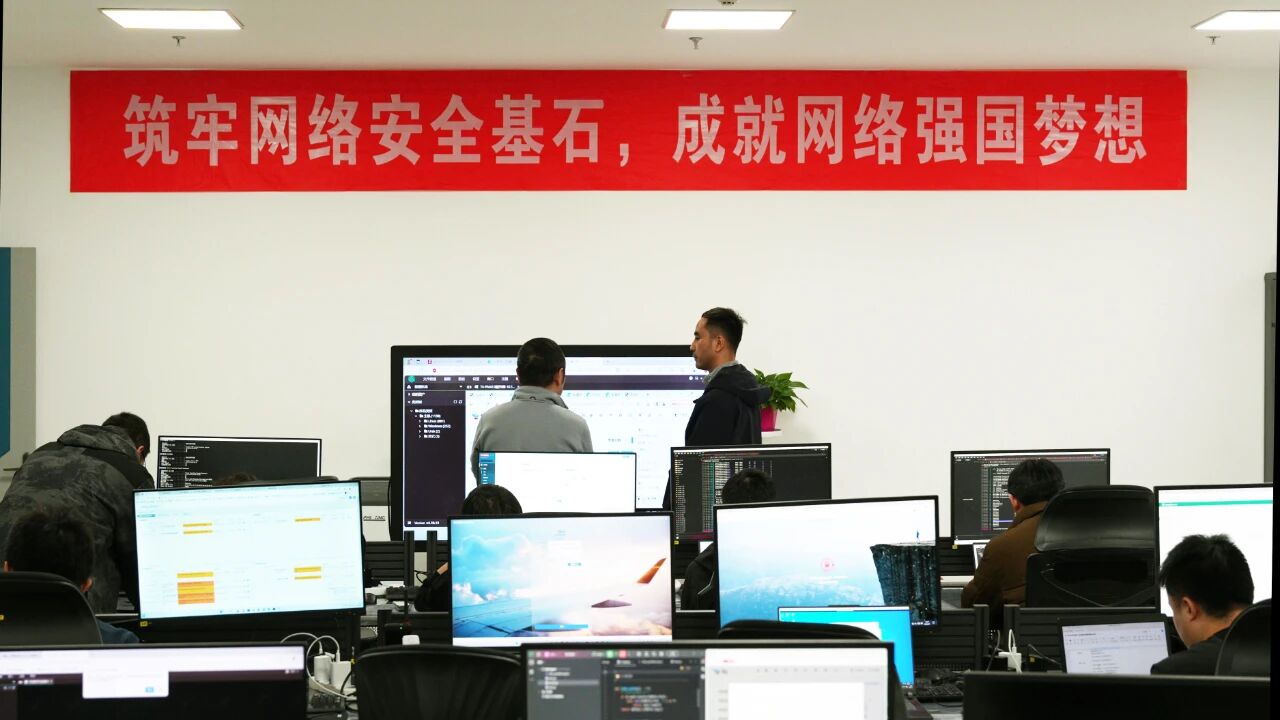
Security risks were the top priority. To ease customer concerns and ensure smooth migration, TravelSky adopted a “dual-track parallel, smooth switchover” strategy, with the full-stack domestic system and the original system backing each other up, achieving zero business interruption and zero passenger perception during the migration.
Ten times the passenger volume meant a hundred times the pressure.Technical experts from TravelSky, Phytium, Kylin Software, China Greatwall and other enterprises formed a special task force, conducting months of closed development and stress testing. The team carried out in-depth optimizations on the Phytium CPU platform targeting high-frequency read-and-write operations in departure services.
The replacement of basic software and hardware in the departure system was not simple substitution, but in-depth reconstruction.The full-stack domestic upgrade involved verification of 278 functional indicators and 252 security indicators, with no compromise in function or performance.More than 10 types of standard airport equipment were adapted to the domestic IT environment, solving long-standing industry-wide compatibility problems.The team also optimized log writing and high-concurrency processing according to the characteristics of domestic CPUs and operating systems.
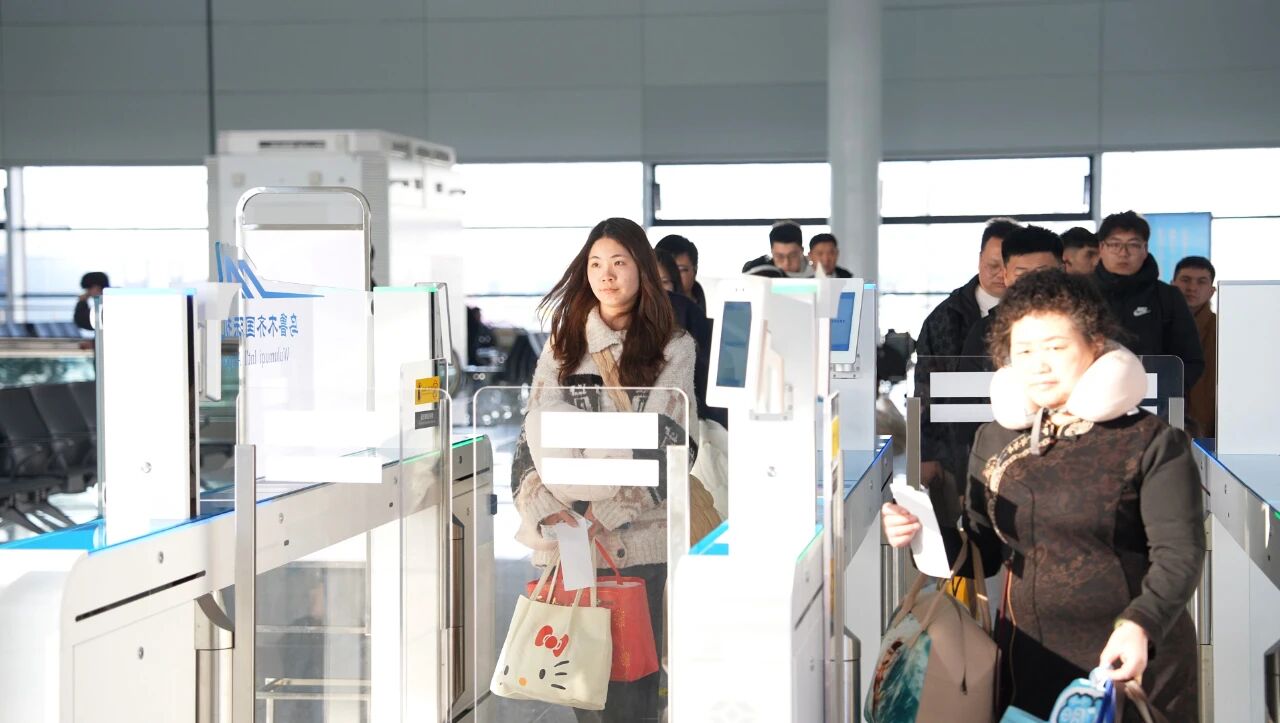
By December 2025, full traffic switchover was completed at Urumqi Tianshan International Airport.Message processing in the domestic server cluster showed no backlog.Average response time was fully comparable with traditional systems.Manual check-in system response time was controlled within 3 seconds, better than the 5-second design target.Average response time between front-end operations and back-end servers was within 450 milliseconds.Overall single-passenger check-in efficiency improved by about 10%, reducing waiting time and easing airport congestion.Using TravelSky’s self-developed face recognition algorithm, average response time for facial boarding was only 350 milliseconds — 20% faster than previous equipment, with a 2% higher success rate.
Tao Runwen, Party Secretary and Chairman of Xinjiang Airport Group, spoke highly of the new system:
“With the active efforts and coordination of all parties, the pilot project has achieved phased results. Xinjiang Airport Group will take this cooperation as a new starting point to further deepen collaboration in digital transformation, intelligent operation and passenger services.”
Jointly Drawing a Grand Blueprint
Strategic Actions for a Stronger Future
The full-stack domestic transition cannot be achieved by a single entity.The success of the domestic departure system represents collaborative innovation across the entire industrial chain.As a central enterprise focused on cybersecurity and informatization, China Electronics possesses a complete computing industrial chain from chips and operating systems to terminals and complete machines.TravelSky is a leader in the aviation travel digital ecosystem, with rich application scenarios and profound industry expertise.Under national strategic guidance, the two sides joined forces to create a self-developed departure system that is reliable, high-performance and scalable, fully demonstrating the strategic determination and responsibility of central enterprises.
Jiang Bo, Party Secretary and Chairman of TravelSky, stated:
“The success of the Urumqi Tianshan International Airport project exemplifies in-depth industrial chain collaboration, complementary strengths between central enterprises and innovative application breakthroughs. It provides a replicable and evolvable path for the civil aviation industry to build secure and controllable digital infrastructure.”
Xie Qinglin, Member of the Party Group and Deputy General Manager of China Electronics, noted:
“This cooperation is a ‘two-way journey’ between TravelSky and China Electronics.Practice at Tianshan Airport has proven that our domestic software and hardware computing foundation is fully capable of supporting core business systems in civil aviation.China Electronics will further deepen practical cooperation with partners to build a fully independent digital foundation, accelerate the civil aviation industry’s shift toward independence and intelligence, and contribute more to the development of a strong civil aviation nation.”
With shared aspirations and soaring prospects, Phytium will continue its original mission of developing core chips for the country.Together with industrial chain partners, we will continuously advance new-quality productive forces, provide a powerful domestic computing foundation for building a stronger transportation and civil aviation nation, and enable Chinese wisdom to take root and flourish in global civil aviation.